
Flat roofs are increasingly common in Auckland’s commercial architecture. Whether it’s a modern office complex, multi-unit development, or a council facility, flat roof systems offer clean lines and cost-effective construction. But one non-negotiable element determines their long-term success: the waterproofing system.
A membrane roof isn’t just another layer of protection. It’s a critical part of the structure that must be planned, installed, and maintained precisely. Selecting the right membrane roofing system for new commercial builds can help avoid common flat roof issues like leaks, pooling, and material breakdown. More importantly, it protects your asset from costly water damage for decades to come.
If you’re planning a new build in Auckland, here’s what you need to know before choosing your flat roof membrane—and why it pays to work with qualified waterproofing specialists from the outset.
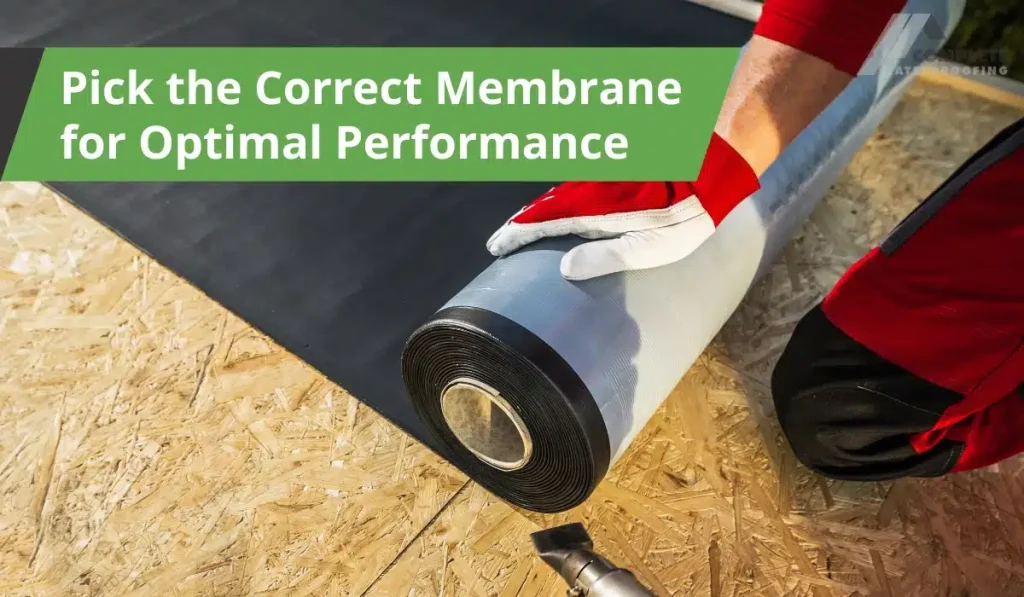
Flat roofs require more than just structural engineering—they need advanced waterproofing to handle New Zealand’s unpredictable weather. Unlike pitched roofs that rely on gravity to shed water, flat roofs are more exposed to pooling, wind-driven rain, and UV damage.
Membrane roofing systems have become the go-to solution for modern flat roof designs, and with good reason:
Membranes are also highly adaptable. They can be installed on concrete, timber, or plywood substrates and work well for balconies, rooftop decks, and even green roofs, making them ideal for multi-purpose commercial buildings.
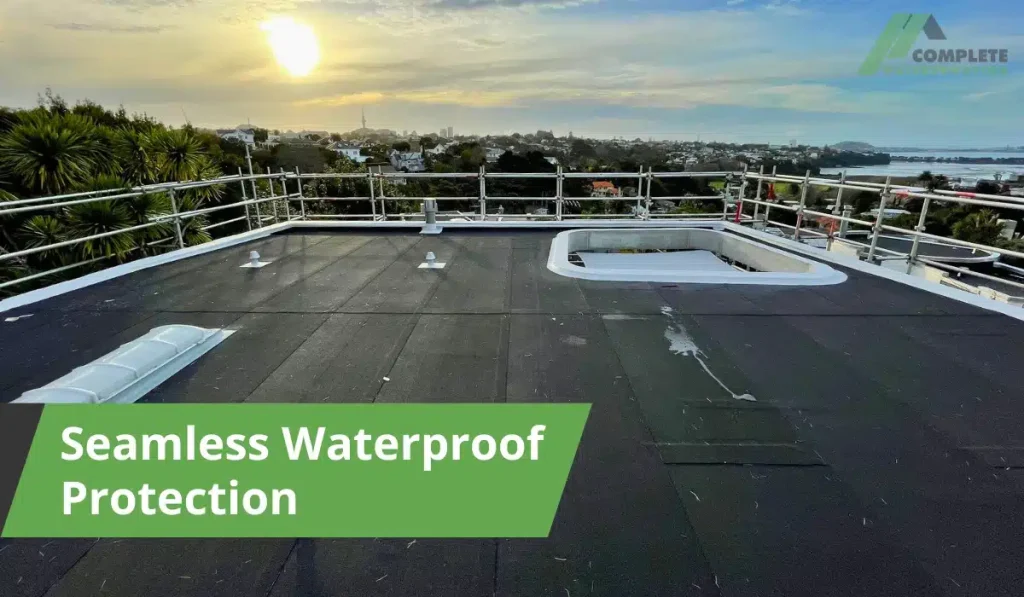
The term “membrane roof” covers a range of materials, each with its own benefits and best-use cases. Choosing the right one depends on your project’s design, budget, and durability needs.
While Butynol remains popular, newer materials like TPO and PVC are gaining traction in large commercial builds for their longer life spans and lower environmental impacts. Always consult with your waterproofing specialist to assess which system best suits your site conditions and usage demands.
One of the biggest mistakes developers make is treating waterproofing as an afterthought. Waterproofing should never be a box to tick off late in the construction process—it must be integrated into early design planning.
Getting a waterproofing specialist involved early helps with:
Early planning prevents cost blowouts and helps avoid the risk of having to redo sections that were improperly sealed or prepared.
When it comes to commercial waterproofing, general contractors and handymen won’t cut it. Membrane roofing requires technical knowledge, precise workmanship, and full compliance with Auckland’s building standards.
Complete Waterproofing, for example, focuses exclusively on membrane systems for new flat roofs, not just repairs. This dedication to quality means better long-term results and fewer problems down the line.
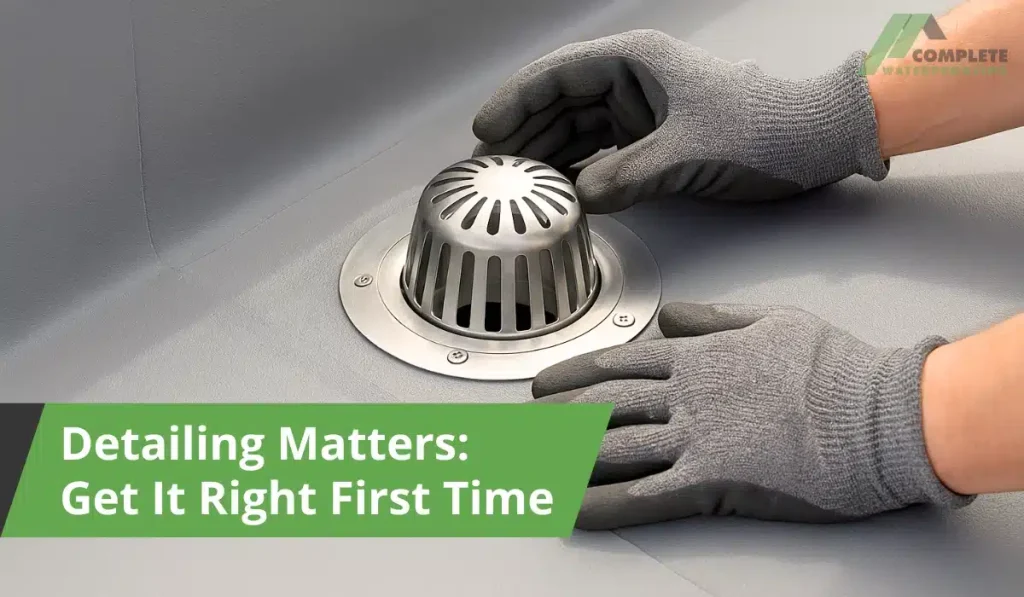
Flat roofs are unforgiving. One small oversight—like a poorly sealed join or improperly installed outlet—can compromise the entire system.
Common membrane installation mistakes include:
These errors not only reduce the roof’s lifespan but also create liability issues. For new commercial builds, mistakes like these can trigger inspection failures or delays in occupancy permits.
That’s why waterproofing should never be left to chance. A trusted specialist will handle technical details like expansion joints, flashing, and overlapping seams correctly the first time.
Auckland’s climate is diverse—rain-heavy seasons, salty coastal winds, and strong UV rays all play a role in how well a roof performs over time.
Membrane roofs are designed to resist these environmental pressures. However, design factors like roof pitch, drainage layout, and foot traffic zones also influence performance.
Properly designed membrane systems stand up to weather and reduce future maintenance, helping building owners keep ongoing costs predictable.
If you’re planning a new commercial build in Auckland, choosing the right membrane roof system from the outset is one of the most intelligent decisions you can make. It ensures watertight performance, compliance with local regulations, and a longer lifespan for your investment.
From Butynol and TPO to custom deck membranes, the best results come from partnering with a specialist who understands your build’s unique requirements. With Complete Waterproofing, you get more than installation—you get strategic planning, high-quality materials, and workmanship you can trust.
Flat roof waterproofing is not just a layer—it’s a long-term solution. Make sure it’s done right the first time.
Planning a new flat roof for a commercial site? Talk to the membrane roofing experts at Complete Waterproofing for a system designed to perform and built to last.
© 2026 | Complete Waterproofing | All Rights Reserved | Designed by 